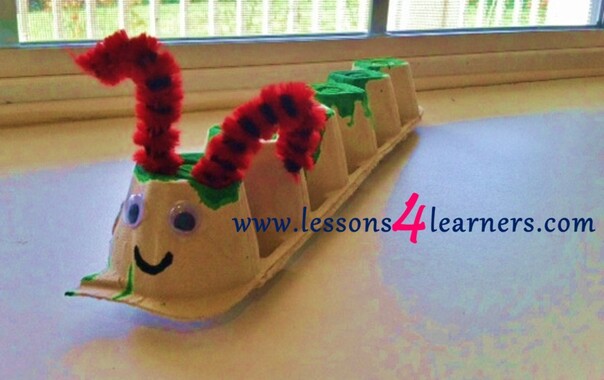
Egg Carton Caterpillar
Lesson Plan:
|
Activity:
Lesson plan developed by Ms. Erika Geelhoed, BA Ed
Age Group:
* Lesson plan objective and assessment can be adapted to use this activity with preschoolers.
Objectives:
II.4.2a
|
|
|
Click on the photos to enlarge.
|
Materials:
Procedure:
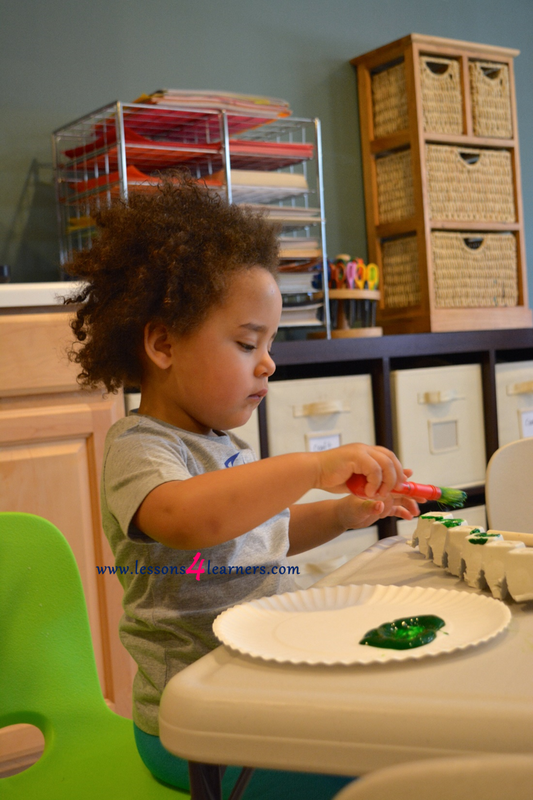
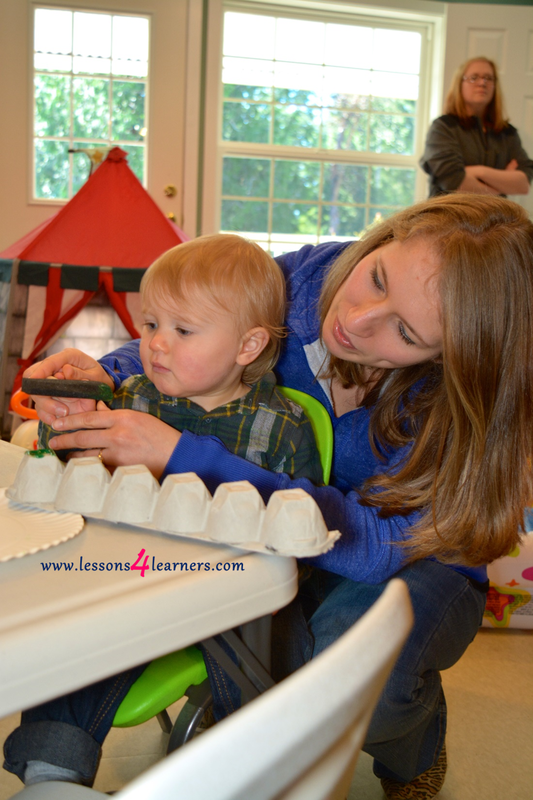
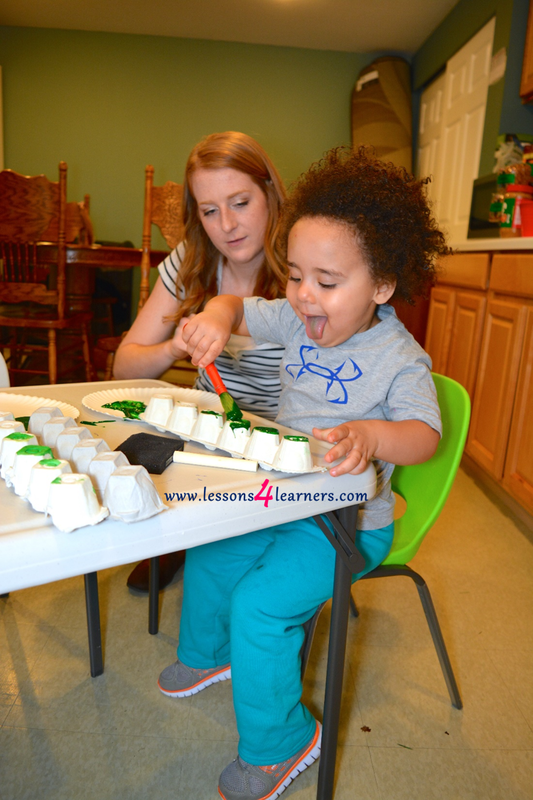
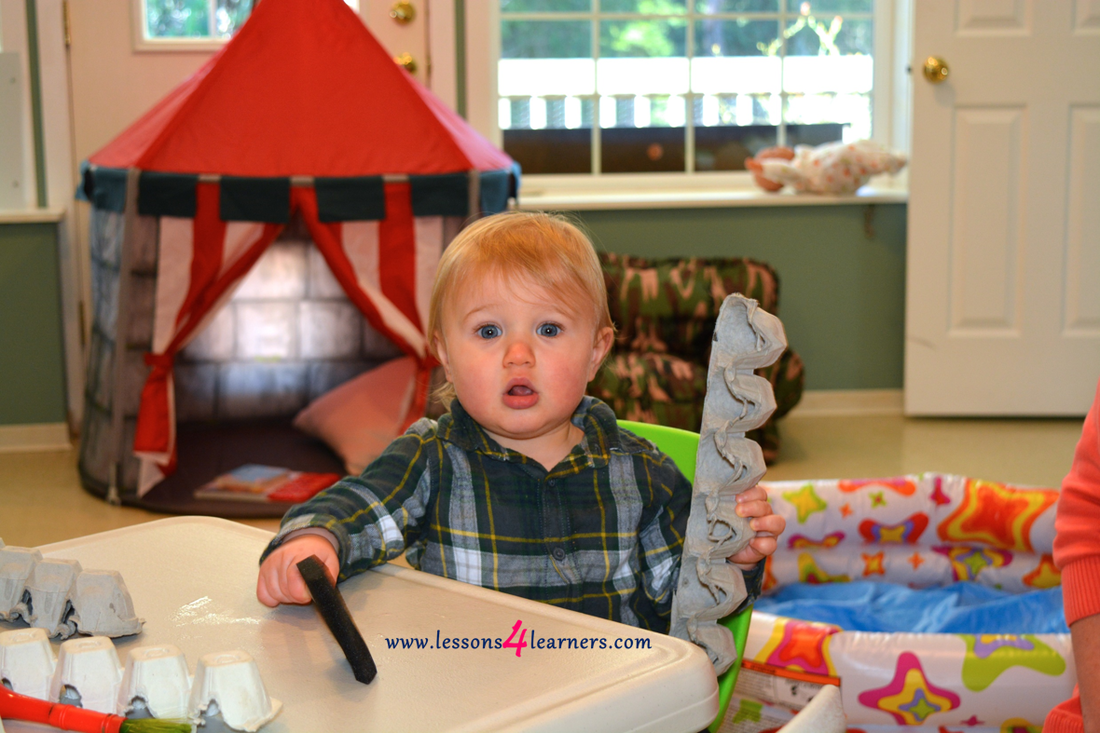
Begin by reading The Very Hungry Caterpillar by Eric Carle. Be sure to record any comments the child makes. Next, using the cut egg cartons, have child begin painting their caterpillar. When dry, add pipe cleaners to the head of the bug for antenna and googely eyes.
Assessment:
|


Note: Please provide appropriate supervision to the children in your care when completing all activities. You will need to decide what types of activities are safe for the children in your care. Appropriate and reasonable caution should be used when providing art and sensory experiences for children. Toddlers require special caution, only use non-toxic materials, and do not allow toddlers to put things in their mouths that are a choking hazard.
Click on the course icon for enrollment information.


Tips for Reading to Toddlers
|
Reading to toddlers sets the foundation for later independent reading. Before children can read independently, they need emergent literacy skills.
These include:
|

|
Being a toddler is all about action. Encourage continued language development and interest in books and reading by keeping things lively and engaging. Everyday experiences are full of opportunities to engage in conversation and develop language skills.
Don't expect toddlers to sit still for a book. Toddlers need to move, so don't worry if they act out stories or just skip, romp, or tumble as you read to them. They may be moving, but they are listening. Recite rhymes, sing songs, and make mistakes!
Pause to let toddlers finish a phrase or chant a refrain. Once a toddler is familiar with the rhyme or pattern, make mistakes on purpose and get caught.
Choose engaging books. Books featuring animals or machines invite movement and making sounds. Books with flaps or different textures to touch keep hands busy. Books with detailed illustrations or recurring items hidden in the pictures are great for exploring and discussing.
Keep reading short, simple, and often. Toddlers frequently have shorter attention spans than babies. Look for text that is short and simple. Read a little bit, several times a day.
Encourage play that involves naming, describing, and communicating. Set up a zoo with all the stuffed animals. Stage a race with the toy cars. Put the toddler in charge and ask lots of questions.
Choose books about everyday experiences and feelings. Children will identify with the characters as they dress, eat, visit, nap, and play.
Ask questions. Take time to listen to a toddler's answers. Toddlers have strong opinions and interesting ideas about the world. Encourage a toddler to tell you what he or she thinks. You'll build language skills and learn what makes a toddler tick at the same time.
Read favorite stories again and again. Seek out books about things a toddler especially likes — trains, animals, and people. These books may extend a toddler's attention span and build enthusiasm for reading.
Not having fun? Try a different story or a different time during the day. Reading with a very young child is primarily about building positive experiences with books, not finishing every book you start.
Don't expect toddlers to sit still for a book. Toddlers need to move, so don't worry if they act out stories or just skip, romp, or tumble as you read to them. They may be moving, but they are listening. Recite rhymes, sing songs, and make mistakes!
Pause to let toddlers finish a phrase or chant a refrain. Once a toddler is familiar with the rhyme or pattern, make mistakes on purpose and get caught.
Choose engaging books. Books featuring animals or machines invite movement and making sounds. Books with flaps or different textures to touch keep hands busy. Books with detailed illustrations or recurring items hidden in the pictures are great for exploring and discussing.
Keep reading short, simple, and often. Toddlers frequently have shorter attention spans than babies. Look for text that is short and simple. Read a little bit, several times a day.
Encourage play that involves naming, describing, and communicating. Set up a zoo with all the stuffed animals. Stage a race with the toy cars. Put the toddler in charge and ask lots of questions.
Choose books about everyday experiences and feelings. Children will identify with the characters as they dress, eat, visit, nap, and play.
Ask questions. Take time to listen to a toddler's answers. Toddlers have strong opinions and interesting ideas about the world. Encourage a toddler to tell you what he or she thinks. You'll build language skills and learn what makes a toddler tick at the same time.
Read favorite stories again and again. Seek out books about things a toddler especially likes — trains, animals, and people. These books may extend a toddler's attention span and build enthusiasm for reading.
Not having fun? Try a different story or a different time during the day. Reading with a very young child is primarily about building positive experiences with books, not finishing every book you start.