Measuring with Worms
Lesson Plan:
|
Activity:
Lesson plan developed by Ms. Erika Geelhoed, BA Ed
Age Group:
* Lesson plan objective and assessment can be adapted to use this activity with school-age children.
Objectives:
Child will:
II.5.3a
|
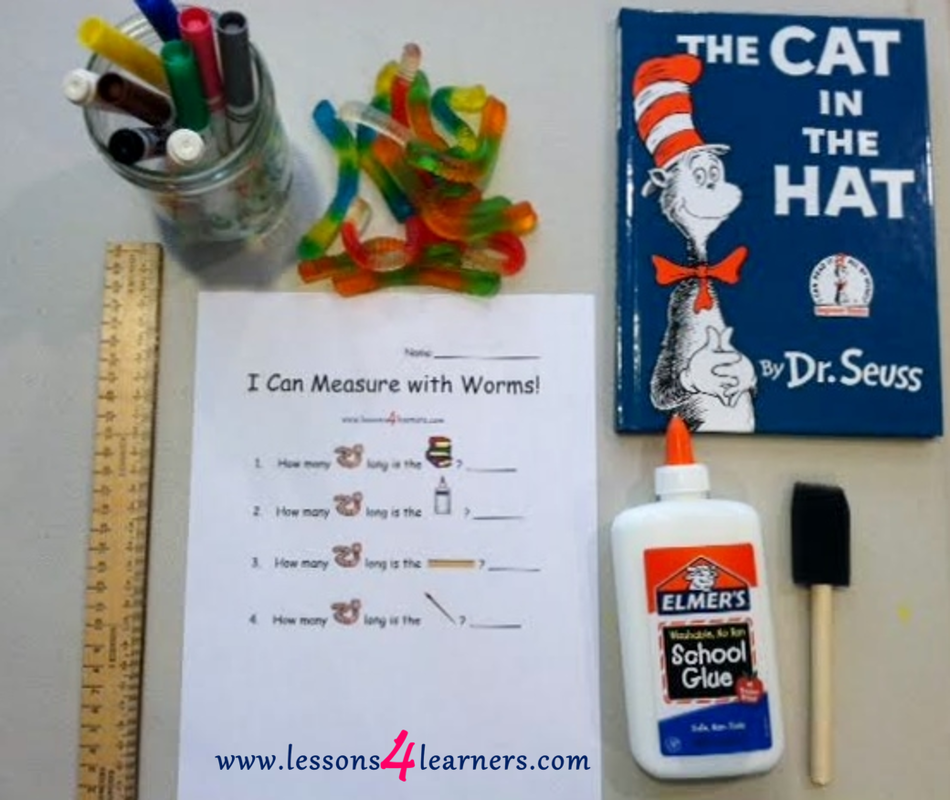
Measuring with Worms
|
|
|
Materials:
Procedure:
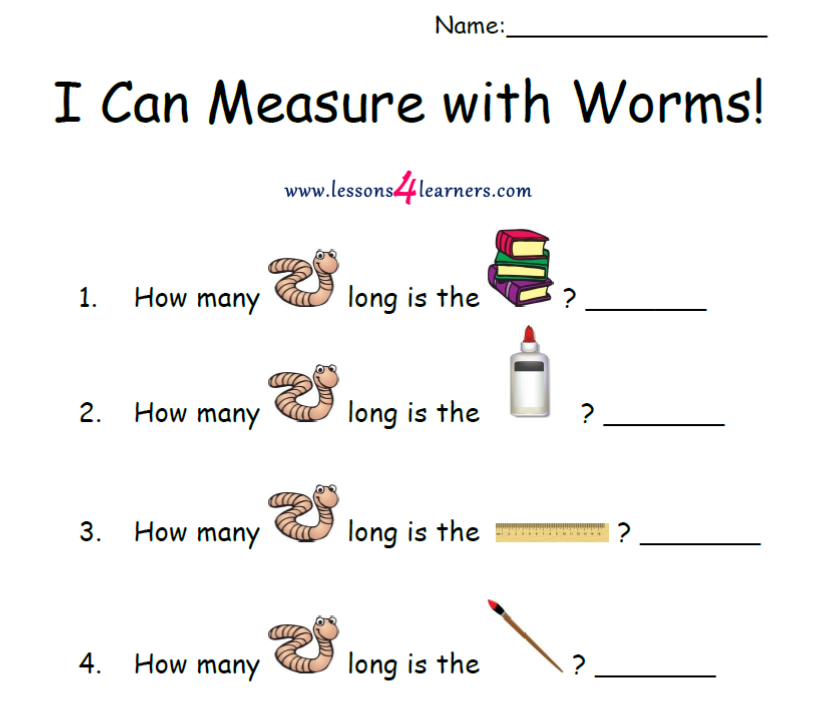
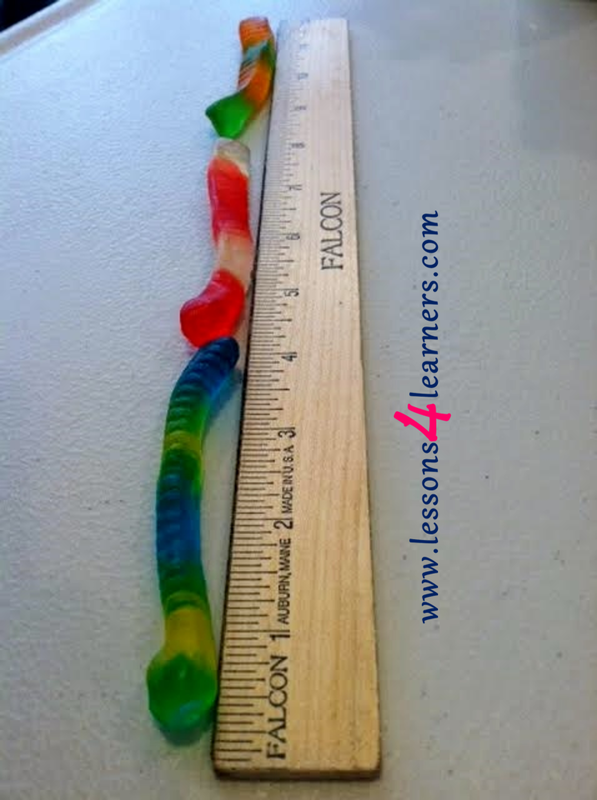
Prep for activity by setting up measuring station. This lesson is designed to be an introductory/exploratory activity. Invite students to join you at the station. You may read the observation worksheet with them if they need assistance. When all students are finished with the activity, have a circle time to discuss measurement. Ask them their thoughts on how to measure.
You can ask questions like:
Assessment:
|


Click on the course icon for enrollment information.
        |
|
Guiding Preschool Learning in Mathematics
Guiding Preschool Learning in Mathematics
|
Mathematics relates to ideas and concepts about quantity and addresses logical and spatial relationships. At the preschool level, the foundations of mathematical understanding are formed out of children’s concrete experiences. Mathematical experiences should not be limited to “math time.” They can be embedded in almost all daily classroom activities, challenging teachers to be alert to opportunities for facilitating mathematical understanding.
Mathematical thinking can be incorporated into block play, dramatic play, sand and water play, and outdoor play. Children can also make connections between mathematics and musical experiences or art when they explore rhythmic or visual patterns or symmetry. |