www.lessons4learners.com
  • Welcome
    • Lesson Plans
    • About Us
    • Young Infants
    • Mobile Infants
    • Toddler
    • Preschool >
      • Clay Faces
    • School Age
  • Child Care Courses
    • Child Care Course
    • Child Care Training
    • Self Study CDA Certificate Online
    • CDA Credential Renewal Certificate
    • FCCPC Renewal
    • HIV AIDS Bloodborne
    • Florida Director Credential Renewal
    • STARS Courses Online
    • 45 Hour Infant Toddler
    • Terms of Use
  • Educator Articles
    • Meet Our Educators >
      • Basic Sign Language A Resource for Educators
    • Guest Articles
  • Themes
    • Spring
    • Summer
    • Fall
    • Winter
    • Sensory Fun
    • Dramatic Play
    • Literature
    • Montessori
    • Music and Movement
    • Playdough
  • Blogs
    • Activities through the Alphabet
    • Activities Through The Rainbow
    • Trainer Talk
    • Spring Curriculum Blog
    • Summer Curriculum Blog
    • Fall Curriculum Blog
    • Winter Curriculum Blog
    • Playdough Blog
    • Sensory Bottles and Bins 101
Caterpillar Lesson Plans
Caterpillar Gallery
Caterpillar Poems, Songs & Rhymes
Spring Lesson Plans

Macaroni Metamorphosis

Lesson Plan:

​Activity:
Macaroni Metamorphosis
Lesson plan developed by Ms. Erika Geelhoed, BA Ed
Age Group:
School-Age
* Lesson plan objective and assessment can be adapted to use this activity with preschoolers.
Objectives:  
Children will
  • understand that animals, including butterflies, have life cycles that include being born, developing into juveniles, adolescents, then adults, reproducing (which begins a new cycle), and eventually dying.
  • understand the details of the life cycle are different for different animals.
Washington Common Core Standard
2-3 LS1B
Students will know that animals have life cycles that include being born; developing into juveniles, adolescents, then adults; reproducing (which begins a new cycle); and eventually dying. The details of the life cycle are different for different animals.
Picture
Picture
Macaroni Metamorphosis
Materials: 
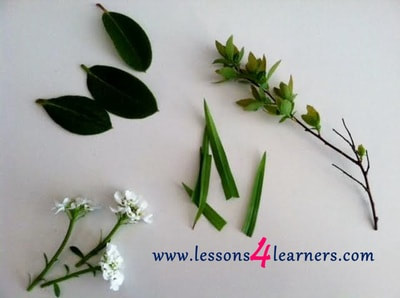
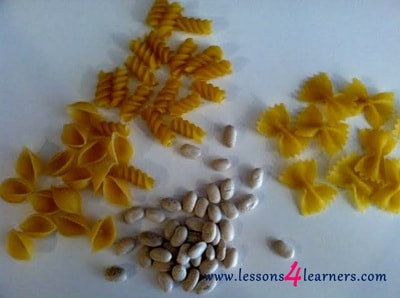
  • pasta noodles (bow-tie, spiral, and small shell)
  • white beans
  • glue
  • leaves
  • sticks
  • paper plate
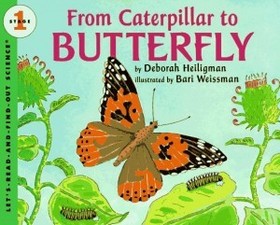
  • From Caterpillar to Butterfly by Deborah Heiligman
Picture
Procedure: 
  1. Introduction: Start the lesson by asking students what they already know about how a caterpillar becomes a butterfly. You can create a KWL (Know, Want to Know, Learned) chart with the students for this activity.
  2. Reading Session: Read “From Caterpillar to Butterfly” with the students, discussing the content as you go along. This book provides a detailed and child-friendly explanation of the butterfly life cycle.
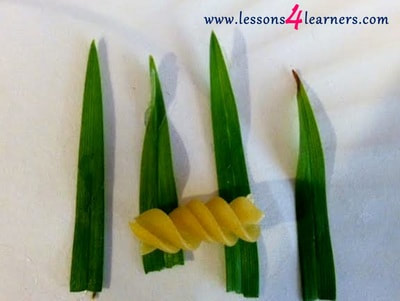
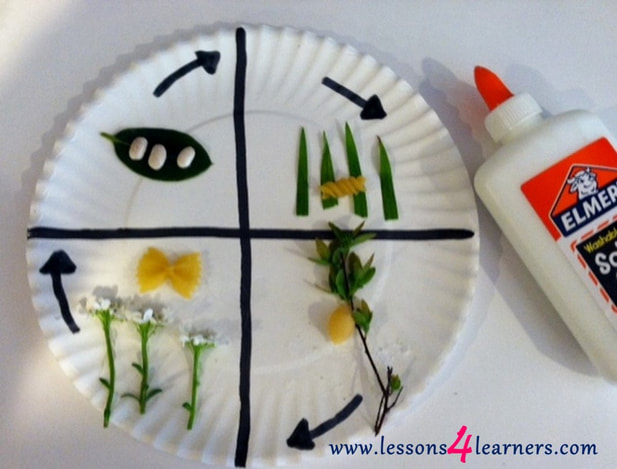
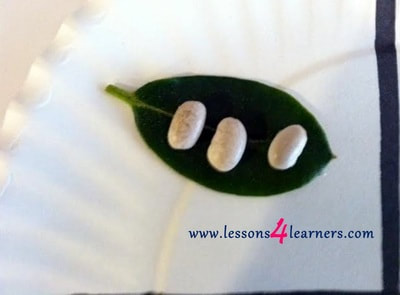
  3. Craft Time: Begin the metamorphosis craft activity. Ask students to list the stages in order (you can write these down for them if needed). Instruct them to use the different types of noodles, leaves, and sticks to represent the different stages, starting with the egg stage. The bow-tie pasta can represent the butterfly, the spiral pasta the caterpillar, and the small shell pasta the egg. The white beans can be used to represent the pupa or chrysalis stage.
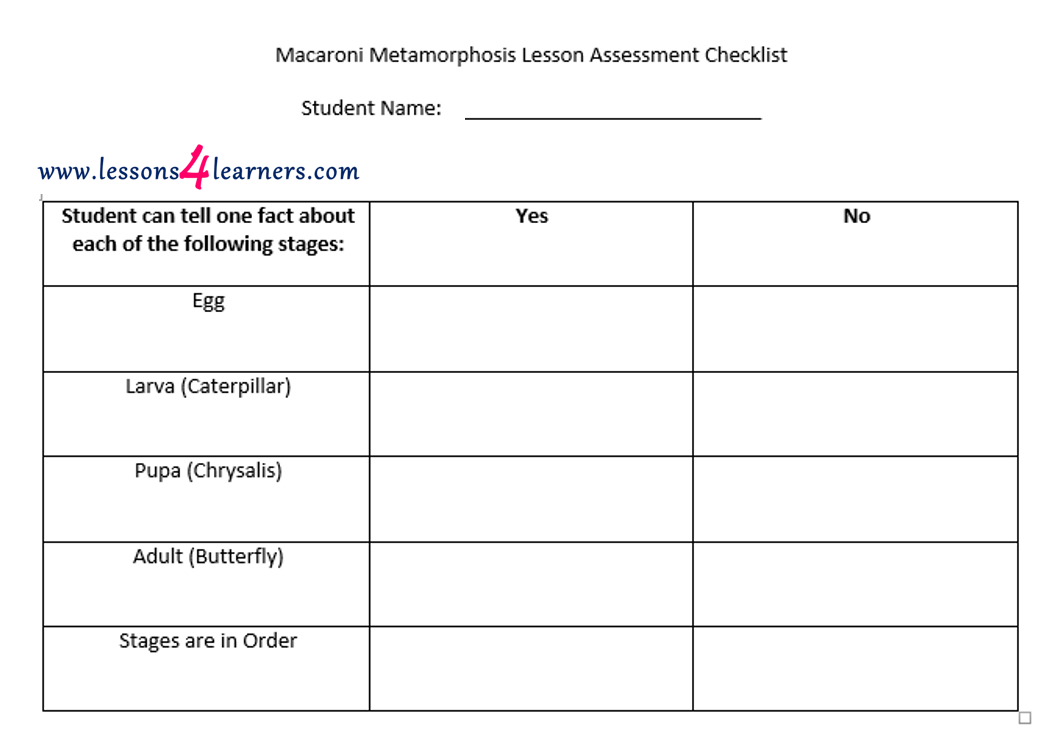
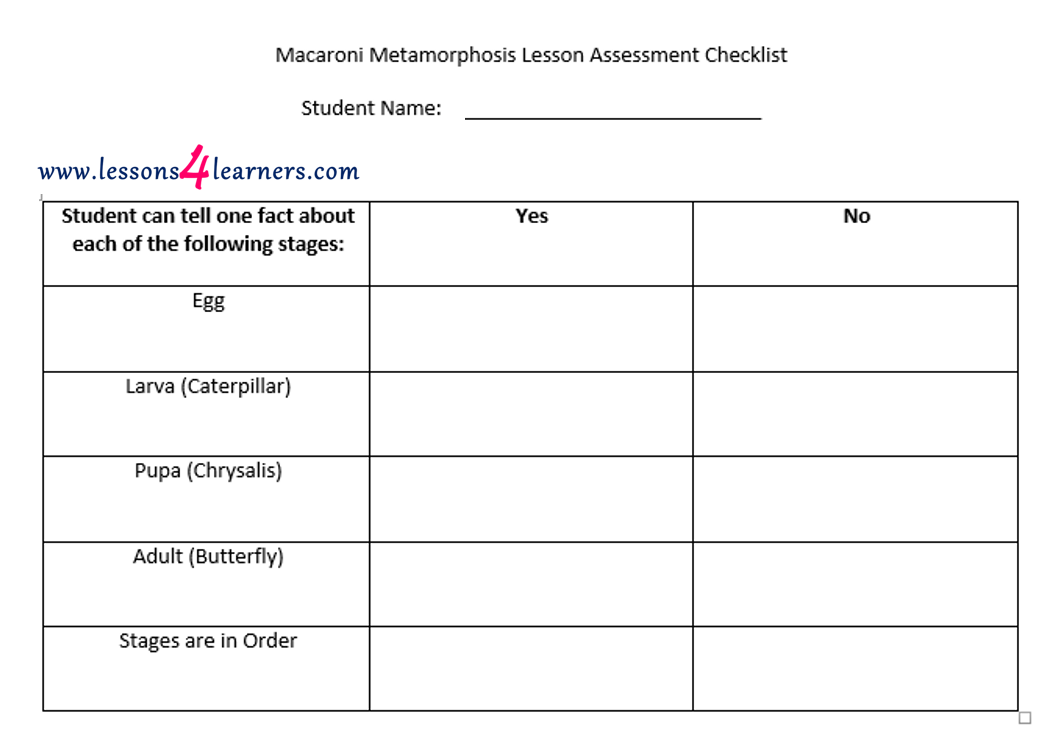
  4. Assessment and Revision: As students are working, assess them using a provided​
​Print Macaroni Metamorphosis Lesson Assessment Checklist
Assessment: 
  • As students are working, assess them using a provided checklist. Make a note of which directions the children got correct and which ones they struggled with. Revisit directions with them if needed.​
Follow-up Activity:
​Consider having a follow-up lesson where students can present their crafts and explain the butterfly life cycle to the class.
Online Early Childhood Education
Click on the course icon for enrollment information.
Picture

Science in the Classroom

Science is not just a set of facts that have already been discovered by others; it is a process – a way of thinking and understanding the world. It is observing, predicting what might happen, testing those predictions, and making sense of observations.  They must create an explanation of observed phenomena or the outcomes of the experiments internally—an explanation that holds personal meaning” (Trawick-Smith, p. 203). As children are exploring the scientific process, teachers can pose open-ended questions that may spark more questions or a new direction to explore. “Good quality education encourages the exploration of alternative thinking, multiple answers, and creative insights” (Jensen, p. 16). 
Picture
Allowing and encouraging young children to explore the scientific process—rather than only using direct instruction that emphasizes science facts and prescriptive experiments—will promote the development of thinking skills such as organizing and classifying, problem solving, reasoning, and logic. ​
Lesson Plans Quick Search 
We have provided links where books or educational items that are related to the lesson plan can be purchased on Amazon. These links are intended for the purpose of your convenience to find the referenced item.  However, as an Amazon Associate we earn from qualifying purchases that result from clicking on the links.
Some content on this website may be generated or revised using an AI application.
This website is owned and managed by Successful Solutions Professional Development LLC. Links to online courses that can be purchased are services that are provided by Successful Solutions Training in Child Development, which is a subsidiary of Successful Solutions Professional Development LLC.

Visit our main website www.cdastars.com to search for Early Childhood Education Courses Online

Successful Solutions Training in Child Development
(360) 602-0960

www.lessons4learners.com is a subsidiary of Successful Solutions Professional Development. 
Address: PO Box 727, Burley, WA 98322-0727  * www.cdastars.com
Copyright 2025.  Successful Solutions Professional Development LLC.  * All Rights Reserved. 
  • Welcome
    • Lesson Plans
    • About Us
    • Young Infants
    • Mobile Infants
    • Toddler
    • Preschool >
      • Clay Faces
    • School Age
  • Child Care Courses
    • Child Care Course
    • Child Care Training
    • Self Study CDA Certificate Online
    • CDA Credential Renewal Certificate
    • FCCPC Renewal
    • HIV AIDS Bloodborne
    • Florida Director Credential Renewal
    • STARS Courses Online
    • 45 Hour Infant Toddler
    • Terms of Use
  • Educator Articles
    • Meet Our Educators >
      • Basic Sign Language A Resource for Educators
    • Guest Articles
  • Themes
    • Spring
    • Summer
    • Fall
    • Winter
    • Sensory Fun
    • Dramatic Play
    • Literature
    • Montessori
    • Music and Movement
    • Playdough
  • Blogs
    • Activities through the Alphabet
    • Activities Through The Rainbow
    • Trainer Talk
    • Spring Curriculum Blog
    • Summer Curriculum Blog
    • Fall Curriculum Blog
    • Winter Curriculum Blog
    • Playdough Blog
    • Sensory Bottles and Bins 101