Shape and Dimension Sensory Bin
Lesson Plan:
|
Activity:
Shape and Dimension Sensory Bin
Lesson plan developed by Aurora Tollestrup, BS Ed
Age Group:
* Lesson plan objective and assessment can be adapted to use this activity with toddlers or preschoolers.
Objectives:
Children will:
II.5.1a
|
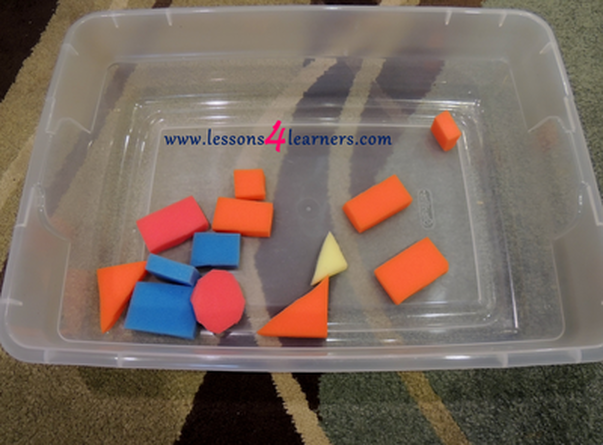
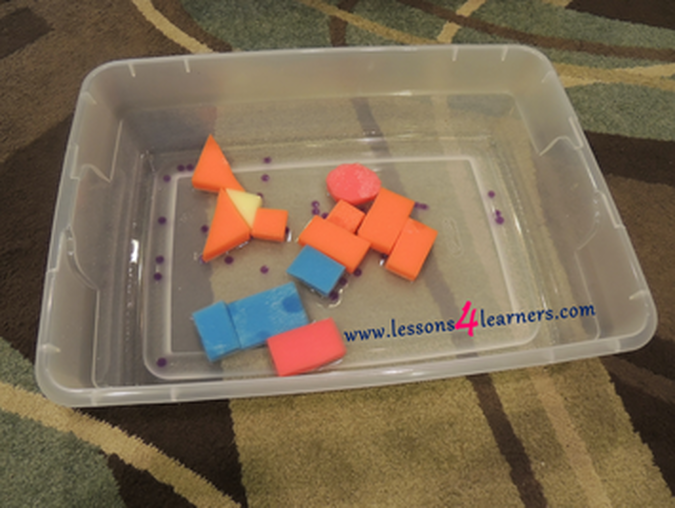
Shape and Dimension Sensory Bin
|
|
Materials:
Procedure:
To prepare materials:
Assessment:
|
Click on the course icon for enrollment information.



Early Math
Infants spend a lot of time observing and exploring their environment while their development soars. From noticing changes in feeding habits to experiencing classifying and sorting activities, they are learning about math concepts all around them. Toddlers are mastering the art of discovery and testing the boundaries of nearly everything they come into contact with. They have a keen sense of the familiar and are able to identify concepts and test new theories. All of these traits are rooted in mathematical concepts!
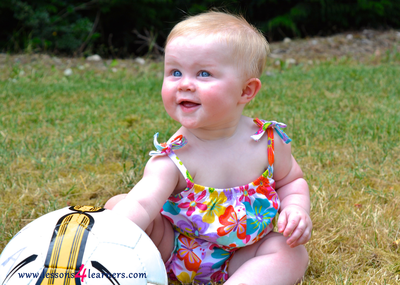
Big Ball, Medium Ball, Small Ball too Lesson Plan found at http://www.lessons4learners.com/big-ball-medium-ball-small-ball-too-t.html
|
Math is basically the study of classification, change, space, quantity and patterns. Early childhood educators are wise to include early math instruction in their infant and toddler programs as children as young as infancy. A newborn child may notice a change in their feeding habits. A mobile infant may gesture for more when they eat all of their snack. A toddler may recognize and sort objects that are similar in size or shape. These ordinary investigations and habits of infants and toddlers are really a means of mathematical exploration and understanding. Believe it or not, these are the building blocks to further math knowledge and understanding.
|